
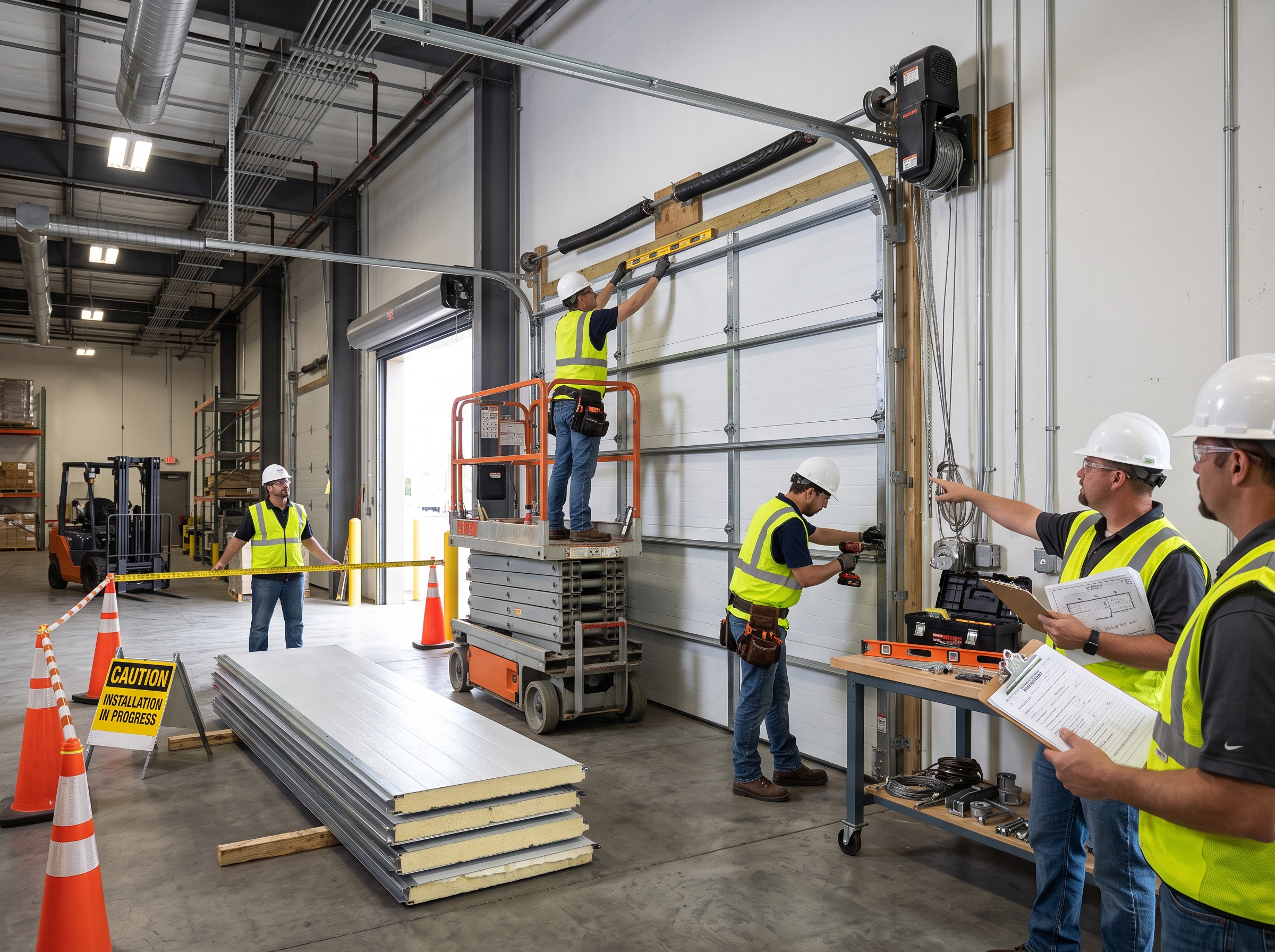
Building codes, facility size, energy efficiency, and long-term maintenance costs rank among the most critical factors that affect a commercial garage door installation. Overlooking even one of these factors often leads to a door that fails to meet the facility’s actual operational demands.
A poorly planned commercial garage door installation often costs a business far more in repairs and downtime than the original project ever would have. This guide breaks down the major factors involved, how each one narrows the final choice, and the last considerations worth reviewing before committing to a decision.
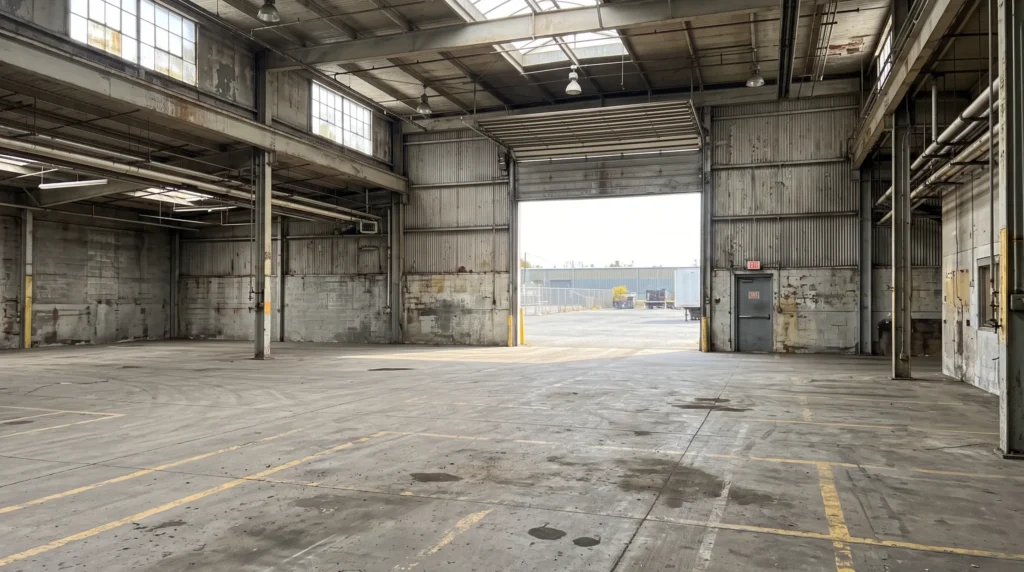
Commercial garage door installation depends on a specific, well-defined set of factors that interact with each other instead of standing alone.
Factor | What It Affects | Why It Matters |
Building codes | Which door types are legally permitted | Avoids a non-compliant installation that fails inspection |
Facility size | Required door dimensions and cycle rating | Prevents bottlenecks during daily operations |
Energy efficiency | Insulation and material choice | Reduces long-term energy costs and bills |
Budget | Available material and installation options | Balances upfront cost against long-term value |
Maintenance needs | Ongoing service and repair frequency | Extends the door’s usable lifespan significantly |
No single factor here determines the final decision entirely on its own, since each one pulls the outcome in a different direction.
Local building codes often dictate which commercial door types a facility can legally install in specific zones or areas.
Code-related considerations worth reviewing include:
To confirm which door types actually meet these code requirements before finalizing a decision, read our guide on Common Types of Commercial Garage Doors, which breaks down each option in detail.
A facility’s size and daily operations volume directly affect which door dimensions and cycle rating make sense for the building.
Considerations tied to facility size and operations include:
To confirm the exact dimensions a specific facility requires before finalizing any order, read our guide on Standard Sizes for a Commercial Garage Door, which walks through common dimensions by building type.
Energy efficiency needs affect whether insulation should factor into a commercial garage door installation decision.
Considerations tied to energy efficiency include:
Facilities prioritizing temperature control over budget typically choose insulated panels despite the higher upfront material cost.
Budget constraints affect which materials and installation options remain realistic, though the cheapest option upfront often costs more over time.
Considerations tied to budget and maintenance include:
A lower upfront budget rarely stays lower once ongoing commercial garage door maintenance costs are factored into the door’s full lifespan.
A short list of final considerations helps confirm every major factor has been weighed before signing off on an installation.
Considerations worth reviewing one final time include:
To weigh these final considerations against the full selection process from start to finish before making any commitment, read our guide on How to Select Commercial Garage Doors, which covers every step in greater depth.
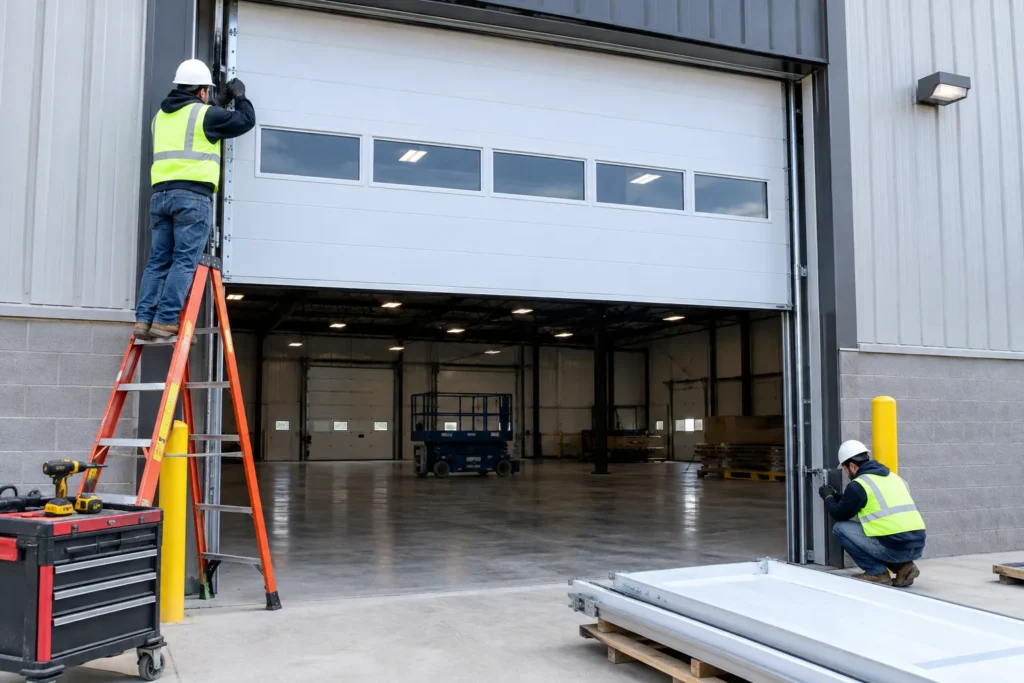
Commercial garage door installation is a complex decision, and no single factor determines the right outcome entirely on its own. Businesses that weigh building codes, size, energy efficiency, and budget together end up with a door built specifically for the job it will actually perform every day.
BT1 Dock and Door works directly with Nashville facilities to weigh every factor that affects a commercial garage door installation, from the first measurement through final sign-off. Contact us or give us a call today, and let our team confirm the right choice for a facility’s specific operational needs.